From Information Science to Infrastructure: How Data Science Shapes the Future of AI
July 16, 2026 • Nicole M. Laine • 6 min read
Read more
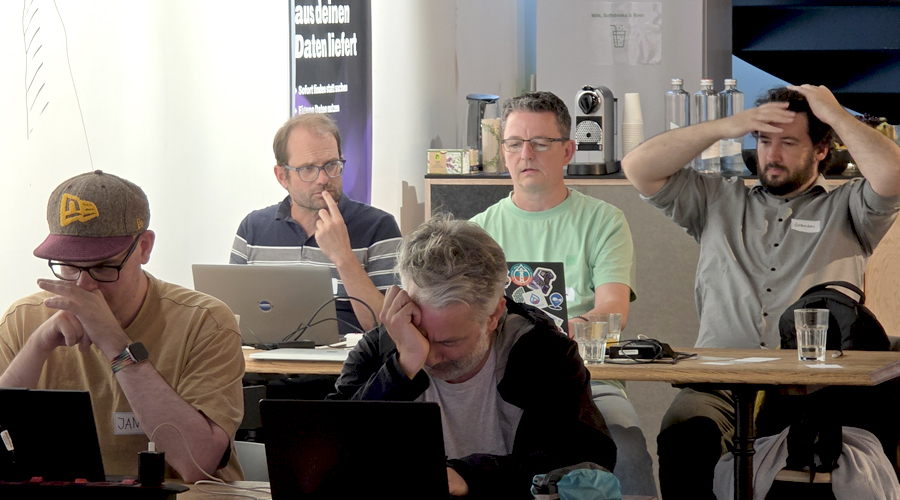
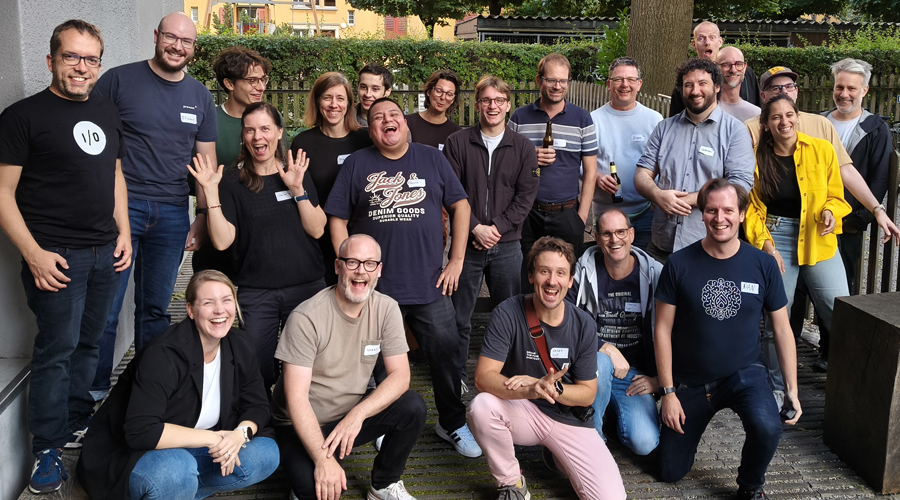
On a September afternoon in Zurich, over 25 developers and AI enthusiasts gathered for the Swiss Drupal AI Hackathon, part of Swiss {ai} Weeks. It was a high-energy, hands-on workshop designed to push the boundaries of open source technology. From the outset, the room was filled with the sound of keyboards and rapid-fire debates over how best to configure Drupal AI solutions. Everyone was building and experimenting, turning grand ideas about privacy-focused AI into practical, working code.
The core challenge for the day was simple but meaningful: to use powerful, open source Large Language Models (LLMs), like Switzerland’s own Apertus or the amazee.ai provider, and quickly integrate solutions using Drupal. The goal wasn't just to make things flashy, but to show how AI can genuinely solve real content management problems while adhering to critical Swiss and EU standards for data residency, privacy, and compliance.
Participants, who came from a variety of companies and backgrounds, dove into challenges that matter. Some focused on making Drupal’s back-end workflows smarter and more reliable, while others built clever tools to make digital experiences more compliant.
One project that stood out immediately was the Context Aware Alt Text module. It enhances the workflow for editors by generating helpful image descriptions based on the entire surrounding page content, enhancing accessibility standards with smart automation.

The top prize went to Webform AI. The team developed a solution to connect AI agents to webforms, making it easier for everyone to fill out webforms using a voice chatbot. This project enhances accessibility and streamlines the overall user experience, demonstrating that thoughtful, people-focused design is a valuable form of innovation.
Other submissions ranged from automated PDF-to-paragraphs migration and reliable AI agent output schemas to financial insights with QuantHub, as well as open source frameworks like Open WebUI. You can explore all the projects here.

A key factor in the day’s success was the underlying infrastructure powered by amazee.io and the amazee.ai provider. Teams could get set up quickly with a running instance of Drupal AI. This smooth, secure experience is paramount for anyone who cares about data residency, compliance, or simply needing their AI pipeline to “just work” in a production environment.
Of course, a hackathon is also about community, not just the code. The generous support of sponsors, including hosts Liip, alongside amazee.io, Amazee Labs, and Unic, ensured an open, relaxed, and friendly atmosphere. The lively apéro at the end was the perfect way to round things off, giving everyone a chance to share their ideas and chat over good food and drinks.
The Swiss Drupal AI Hackathon showcased a massive amount of energy and technical potential in the Swiss tech scene, demonstrating that open source technology and enterprise-grade compliance can and must go hand in hand.
If you’re curious about how AI can help you build more accessible, compliant, and reliable web solutions, this event is just the beginning. The biggest lesson: The infrastructure is ready, the open source models are available, and the time to build responsibly with Drupal AI is now.

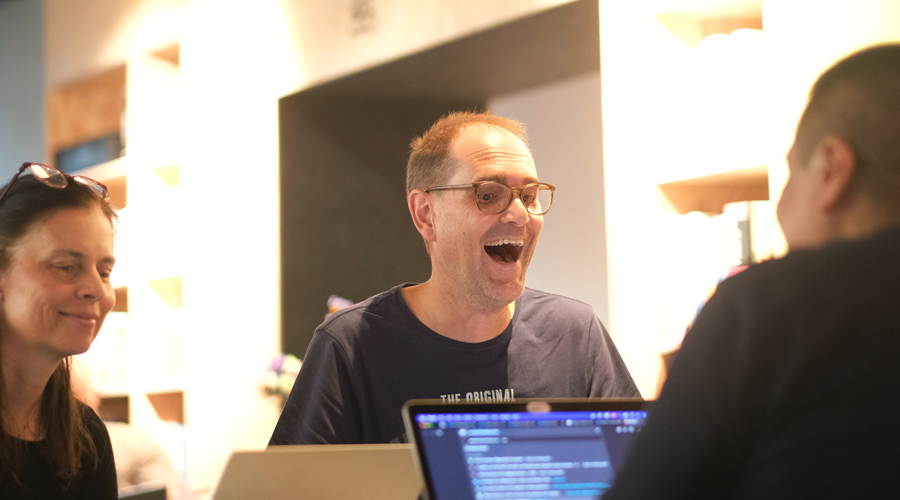
This incredible afternoon of innovation would not have been possible without the dedication of the entire community. A huge “Thank You” goes out to the core organising team: Gesche Wirch, Josef Kruckenburg, and myself (Dan Lemon), for meticulously planning and executing the hackathon. Special recognition is due to Naniko Kakabadze from Liip, who not only hosted the event but also kept the energy high as our MC, ensuring a friendly vibe from the initial ice-breaker to the final apéro.
We also extend our deepest gratitude to our generous sponsors: amazee.io, Amazee Labs, our host Liip, and Unic. Your support underscores a collective commitment to advancing open source AI in Switzerland.
Finally, we thank our expert jury for their careful deliberation and insightful perspectives.
Their combined expertise, spanning product, strategy, and infrastructure, was crucial in identifying the projects with the greatest promise for the future of Drupal and responsible AI.


Author
Daniel Lemon, Software Engineer
Daniel Lemon is a Software Engineer at amazee.ai with over a decade of experience designing and scaling complex frontend, backend, and DevOps environments. Daniel holds a BSc in Computer Science. After University, he launched his career as a Software Developer intern at CERN in Geneva before spending over nine years driving technical execution and web evolution within the Amazee ecosystem. Today, he specializes in multi-model routing efficiency, agentic workflows, and secure API infrastructure. A regular contributor to the open source AI community, Daniel contributed to the widely-used LiteLLM routing framework and frequently speaks on autonomous systems, including presentations at the Drupal AI Summit (API Days Paris) and public showcases of the OpenClaw framework.

July 16, 2026 • Nicole M. Laine • 6 min read
Read more
July 2, 2026 • Matthew Saunders • 11 min read
Read more
June 10, 2026 • Philipp Melab • 9 min read
I pitted myself against 6 AI agents in a strict TypeScript repo. Discover why some models saved 80% while others were a net-negative expense.

May 27, 2026 • Thomas Schröpfer • 7 min read
Secure your LLM workloads with a managed, OpenAI-compatible Private AI Gateway. ISO 27001, SOC 2 Type II, HIPAA-compliant, with full data sovereignty across EU, CH, US, UK, DE, and AUS.

May 26, 2026 • Lauren Morris • 7 min read
Build 10x faster without cutting corners. See our agent-native stack (Drizzle, Zod, TypeScript) and how we use private AI gateways for secure Lagoon deploys.

May 18, 2026 • Katy Walsh • 13 min read
Learn how to choose the right LLM for your business using a multi-model strategy anchored in sovereign AI infrastructure and a secure private LLM API.